
The Relationship as a Bridge
One way to think about a relationship is as a bridge. At each end of the bridge stands an individual. Between them is the shared structure they build together, which is the relationship itself. The health of the bridge depends on the strength of the two pillars holding it up. Equally, the weight and condition of the bridge impacts the wellbeing of the individuals supporting it.
Relationships are not just about what happens “between” two people. They are also about the strength, resilience, and stability of the individuals creating that shared space.

If you were to imagine your relationship as a bridge what would it look like?
The Shared Structure
The middle of the bridge — the shared part — is where connection, intimacy, memories, conflict, repair, laughter, and meaning live.
This is the part couples often focus on:
Communication skills
Date nights
Conflict resolution
Shared goals
Parenting decisions
Working on the shared relationship matters.
However, no matter how beautiful or well-designed the bridge is, if one of the pillars begins to crumble, the entire structure becomes unstable. A relationship cannot remain steady if one or both individuals are internally depleted.
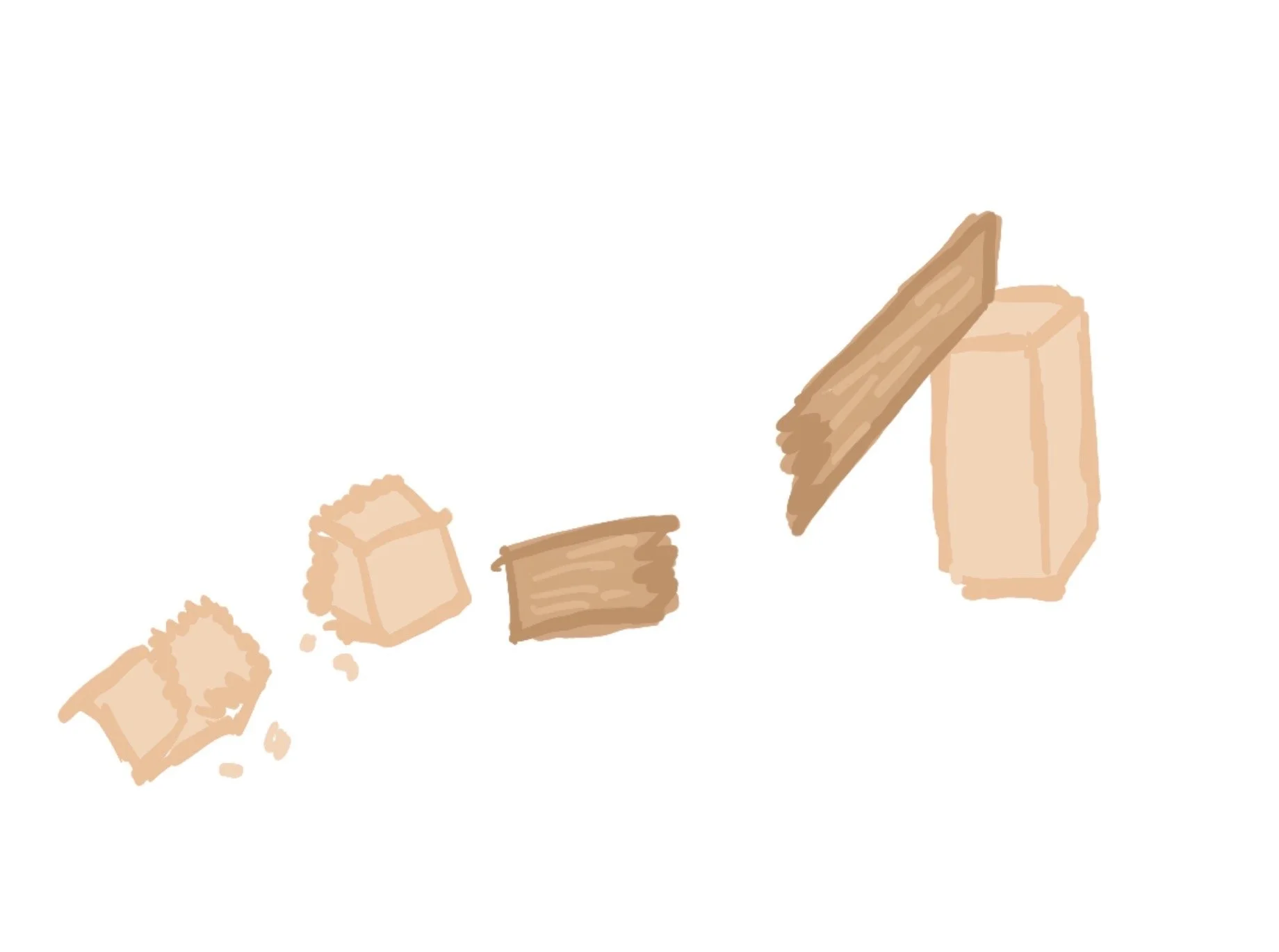
A relationship cannot stand when one or both pillars are fallen over.
Examples of this dynamic is when one individual has significant and unmanaged mental illness, experiencing overwhelming distress, an individual is consumed by alcohol or other substance addictions, or one person engages in infidelity. It is quite impossible to build a healthy relationship in these circumstances, the foundations are just not there. This is true, even if the shared bridge had once looked quite beautiful. It is also most likely that in this dynamic, the other pillar even if quite functional, is not left unscathed by this dynamic.
This is a season in a relationship where the most helpful work is not immediately rebuilding the bridge.
If one or both individuals are significantly distressed, experiencing anxiety, depression, burnout, unresolved trauma, or loss: strengthening the pillars may need to come first.
Trying to simultaneously rebuild the individual and repair the shared relationship can feel overwhelming.
When a pillar regains some strength:
Emotional regulation improves
Clarity increases
Reactivity reduces
Capacity for connection returns
Only then can the bridge be rebuilt in a sustainable way.
An individual does not need to be perfect to be in a relationship, but like what happens on an aircraft in trouble, it is important to put on your own oxygen mask first, before attending to others (or the relationship).
When One Person Carries the Weight
A dynamic I often see is where one partner takes responsibility for holding up the entire bridge.
They carry the emotional labour. They initiate conversations. They regulate conflict. They maintain connection. They accommodate.
Meanwhile, the other partner may feel relatively content. From their perspective, the relationship “seems fine.” But this is often because they are being held up and supported.
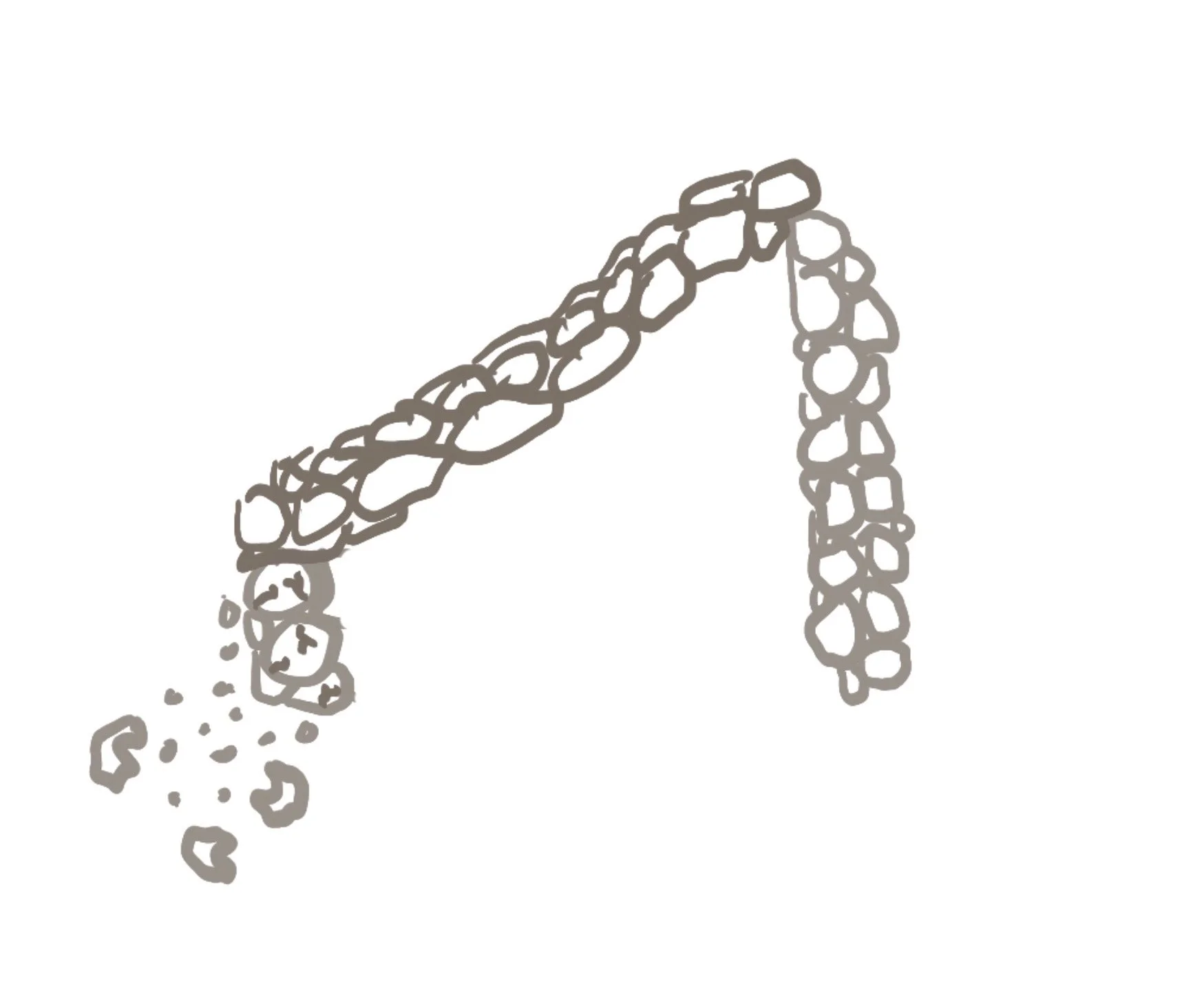
One person carries the weight and cracks under the pressure.
Over time, the partner carrying the weight can become exhausted, resentful, or chronically unhappy. Eventually, they may reach a breaking point and consider leaving.
The other partner may feel blindsided:
“What do you mean you’re unhappy?”
“I thought we were okay.”
This is the relational dance of over-responsibility and under-responsibility. It is a dynamic between two people. It is not any one person’s fault. This often occurs because one person does not know how to say no, mean it, and act on it, and so they keep picking up the responsibility that is not theirs to carry. And for the other, they often feel overwhelmed by their internal sense of inadequacy and lack of control. Both tend to not have a strong sense of self.
When Both Pillars Are Struggling
There are also times when both individuals are contributing, but neither feels internally steady.
When individuals have a weak sense of self, the relationship they build will reflect this. At first it may take on the illusion of great love, as all relationships tend to in the honeymoon phase, but over time the fragility of the relationship will be revealed.

Weak sense of self, fragile bridge.
Furthermore, stress is a constant reality of everyday life:
Work pressures
Financial strain
Parenting demands
Extended family
Health concerns
Everyday routines
All place weight on both the individuals and the relationship itself regardless of the strength of the pillars and bridge.
If the pillars are already weakened, external pressure can feel overwhelming. The relationship may begin to feel tense, or reactive.
It is important to remember that relationships do not exist in isolation. They exist within real life and real life is demanding.
Two Whole Individuals
The healthiest relational dynamic is often built by two individuals who have a solid sense of self, emotional awareness, personal responsibility, authenticity and who also choose connection.
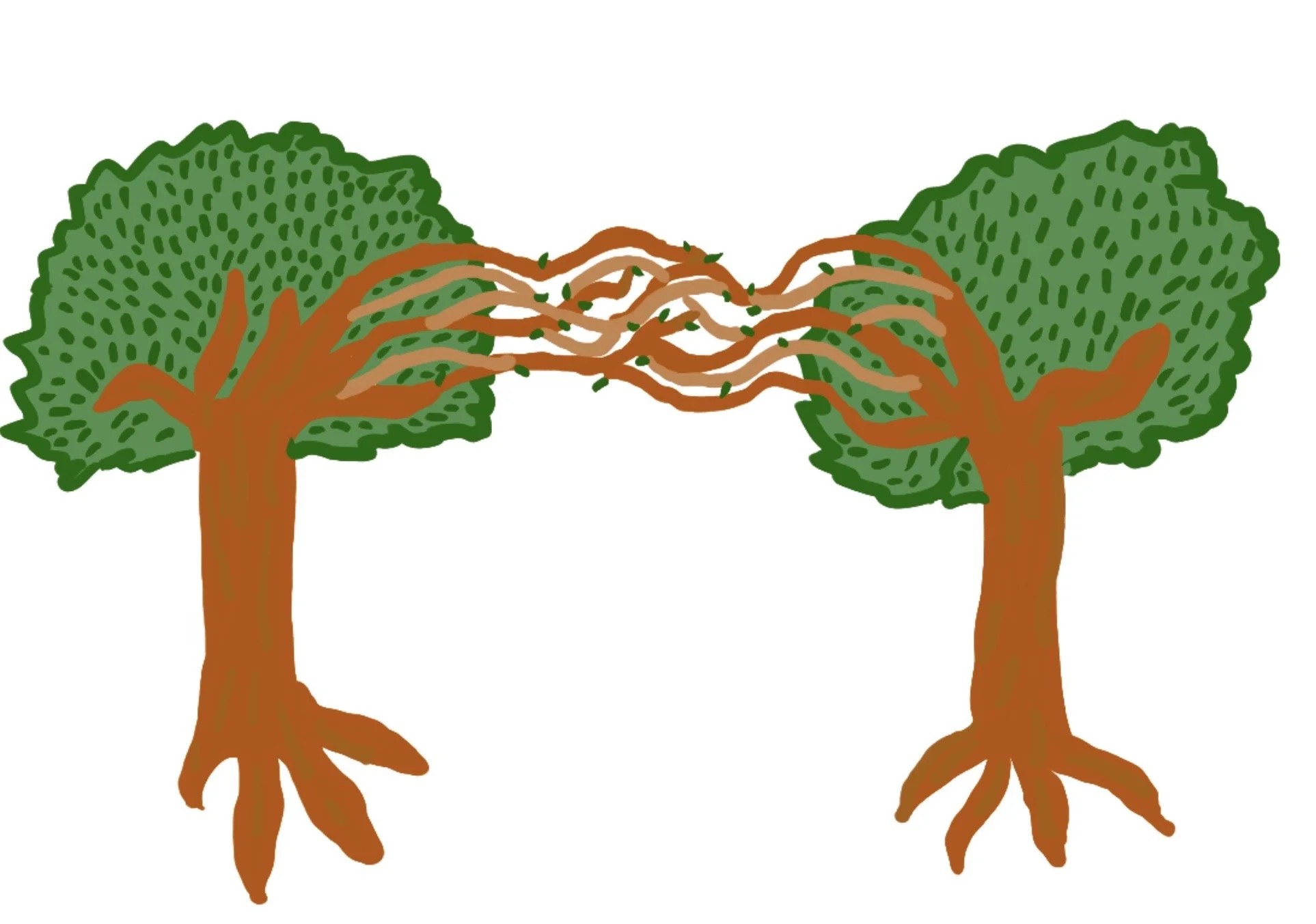
Dynamic individuals, a dynamic bridge.
They are not merged. They are both differentiated individual and intricately connected.
The bridge between them feels alive, dynamic, growing as they grow, shared, and mutually supported.
The relational connection is intimate. Read more about what relationship intimacy looks like here.
A Reflective Exercise
Consider your own relationship.
f you were to draw your relationship as a bridge:
What materials would it be made from?
What is its strength like?
Is it balanced or tilted toward one side?
Are both pillars strong?
Is one cracked or eroding?
What pressures surround it?
Sometimes visualising this can reveal patterns that are difficult to articulate in words.
How Therapy Can Help
Couples counselling provides a space to explore:
Whether the bridge feels balanced
Who is carrying what weight
Where resentment or exhaustion has formed
How external stressors are impacting the structure
How to rebuild shared connection
Individual therapy may be appropriate alongside couples therapy when:
One partner feels chronically depleted
Emotional health has significantly declined
Trauma or personal distress is affecting the relationship
Identity, self-worth, or regulation need strengthening
Sometimes the most loving step for a relationship is strengthening the individual pillars initially, before engaging in relationship work.
Final Reflection
A relationship is not just what happens between two people.
It is built and sustained by the health, resilience, and authenticity of the individuals standing at either end. Likewise the relationship between two people also have a significant impact on the wellbeing of the individuals in it.
The goal is shared stength over perfection.
If you feel like your bridge is unstable, leaning, or carrying more weight than it can hold, support is available.
I offer online couples counselling and individual therapy across Australia. Together, we can strengthen the pillars, repair the structure, and build a relationship that feels balanced, resilient, and alive.
Justine
